
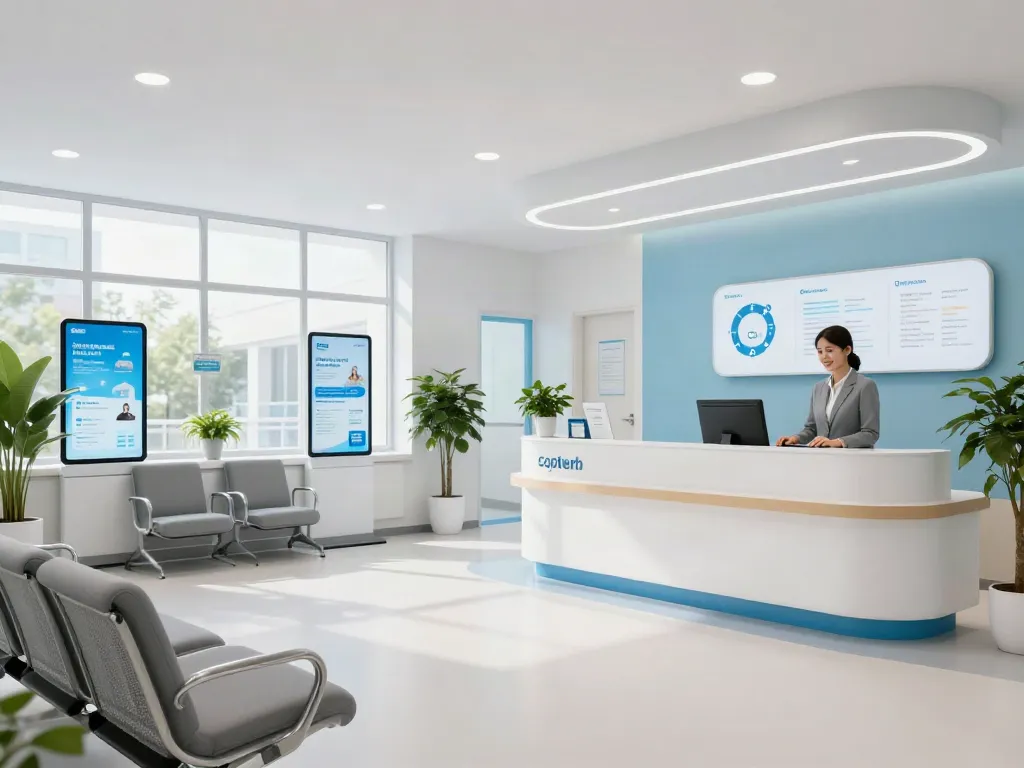
Understanding Medical Services: What to Expect from Healthcare Providers
When navigating the complex world of healthcare, understanding the services offered by various medical providers is essential for informed decision-making. Healthcare services encompass a wide range of activities designed to promote health, prevent diseases, and treat ailments. Patients often face the challenge of distinguishing between different healthcare options and providers. Whether you are seeking a primary care physician, a specialist, or a specific treatment plan, knowing what to expect can alleviate anxiety and enhance the overall patient experience. For a deeper understanding of service options and insights, situs slot provides comprehensive information.
The Role of Patient Care in Situs Slot Services
In healthcare, patient care is paramount. It involves the comprehensive approach of treating patients not only for their physical ailments but also considering their emotional and psychological well-being. Effective patient care requires strong communication, empathy, and a keen understanding of both the medical and personal factors affecting a patient's health.
Healthcare providers must prioritize patient-centered care, which advocates for the patient's preferences, needs, and values. This holistic approach not only improves health outcomes but also fosters a trusting relationship between patients and providers. Examples of patient care roles include doctors, nurses, and allied health professionals, all collaborating towards a unified goal - enhancing patient health through tailored care plans.
Innovative Approaches in Medical Practices
With advancements in technology, innovative approaches in medical practices are revolutionizing how patient care is delivered. Telemedicine, for instance, has become a vital resource, allowing patients to access healthcare services from home. This not only increases accessibility but also improves patient adherence to treatment protocols due to the convenience it provides.
Furthermore, the use of electronic health records (EHR) enhances communication between providers, ensuring that all involved in a patient's care have real-time access to necessary health information. This innovation bridges gaps between different healthcare systems and improves the coordination of care, leading to better patient outcomes.
Patient Rights and Advocacy in Healthcare
Patient rights are fundamental to ensuring fair treatment and dignity within healthcare settings. Every patient has the right to receive respectful and considerate care, to make informed choices about their treatment, and to have access to their medical records. Advocacy plays a crucial role in navigating these rights, particularly for vulnerable populations who may face barriers accessing healthcare services.
Healthcare providers and patient advocates work together to educate patients about their rights and how to voice concerns when these rights are compromised. Empowering patients through education and resources is essential for fostering an environment of respect and accountability in healthcare.
Compassionate Care: Key Elements of Effective Doctor Consultations
Compassionate care is integral to the doctor-patient relationship. The quality of interactions during consultations can significantly affect treatment outcomes. Patients benefit from environments where their concerns are heard and validated. This approach not only builds trust but also encourages patients to share pertinent information that can aid in diagnostics and treatment adherence.
What Is a Trust-Building Doctor-Patient Relationship?
A trust-building relationship is characterized by open communication and mutual respect. Patients should feel safe to express their concerns without fear of judgment or dismissal. Healthcare providers can facilitate this trust by actively listening, providing clear explanations, and demonstrating genuine care for their patients' health.
Building this rapport is essential, as it has been shown that patients who trust their healthcare providers are more likely to follow treatment protocols and engage in preventive care measures. Relationship-building therefore is a crucial element in not just immediate clinical success but in long-term patient satisfaction and health outcomes.
Significance of Evidence-Based Medicine in Care
Evidence-based medicine (EBM) is the integration of clinical expertise with the best available research evidence and patient values. This approach ensures that patients receive the most effective treatments. By relying on evidence, healthcare providers can justify their clinical decisions and enhance patient care quality.
Patients should be encouraged to ask about the evidence supporting treatment recommendations. Understanding the rationale behind specific interventions fosters an informed patient who is more engaged in their care. As healthcare continues to evolve, the emphasis on EBM will be increasingly vital in delivering personalized and effective care.
How to Choose the Right Healthcare Provider
Selecting the right healthcare provider can have a profound impact on patient health and well-being. Patients should consider factors such as the provider's qualifications, communication style, and treatment philosophies. Personal referrals and online reviews can also offer valuable insights into the provider's reputation and approach to care.
Additionally, understanding the provider's areas of specialization is crucial. For instance, a patient with chronic conditions may benefit more from a provider who focuses on chronic disease management compared to one with a broader generalist approach. Ultimately, the right fit can enhance treatment efficacy and improve the healthcare experience.
Exploring Preventive Health: Importance of Screenings and Wellness Checks
Preventive health is a proactive approach that aims to prevent illnesses before they occur. Regular screenings and wellness checks can lead to early detection of diseases, thereby improving treatment outcomes. This aspect of healthcare emphasizes the importance of patient education in understanding their risk factors and the role they play in their health.
Preventive Care Strategies for a Healthier Future
Establishing regular preventive care routines can significantly influence long-term health outcomes. Adults should aim for routine physical examinations, immunizations, and screenings appropriate to their age and risk factors. Educating patients about their health risks and keeping them informed about the best practices in preventive care can empower individuals to take charge of their health.
Essentials of Health Screenings for Early Detection
Screenings such as mammograms, colonoscopies, and blood pressure assessments are important tools in the wellness arsenal. These procedures are aimed at detecting health issues early when they are typically easier to treat. Patient awareness about when to begin these screenings based on age and risk factors is crucial for promoting preventive health.
How Lifestyle Changes Impact Long-term Wellness
Incorporating healthy lifestyle changes—such as maintaining a balanced diet, regular physical activity, and managing stress—can greatly enhance overall well-being. Educating patients about these changes helps them understand their role in disease prevention. Lifestyle modifications paired with regular check-ups create a robust framework for sustaining health through the years.
Mental Health Awareness and Treatment Options Available Today
Mental health is just as important as physical health and must not be overlooked. Awareness and understanding of mental health issues have grown significantly, leading to more accessible treatment options. The stigma surrounding mental health has also gradually diminished, encouraging more individuals to seek help.
Understanding Common Mental Health Issues
Common mental health disorders such as anxiety, depression, and bipolar disorder can affect individuals across all demographics. Symptoms can range dramatically and often overlap, making accurate diagnosis essential. An informed patient is more likely to seek help and adhere to treatment protocols.
Innovative Therapies and Services for Mental Wellness
Recent years have seen an increase in innovative therapies for mental health, including cognitive behavioral therapy (CBT), mindfulness-based interventions, and pharmacological advancements. Incorporating these therapies into a comprehensive treatment plan tailored to the patient’s unique needs is crucial for effective management of mental health conditions.
Supporting Communities: Mental Health Resources
Community resources play a vital role in mental health care. Support groups, hotlines, and local organizations provide crucial support networks for those struggling with mental health issues. Encouraging individuals to connect with these resources can enhance their support system and contribute to more effective treatment outcomes.
The Future of Healthcare: Telemedicine and Digital Health Innovations
Telemedicine has drastically changed the landscape of healthcare delivery. With advancements in technology, patients can now access care from the comfort of their homes. This evolution not only improves accessibility but also optimizes healthcare resources effectively.
Benefits of Telemedicine in Patient Care
Telemedicine facilitates timely consultations, reduces travel barriers for patients, and allows for greater flexibility in scheduling appointments. It is especially beneficial for patients with mobility issues, those living in rural areas, or anyone seeking convenience. Understanding how telemedicine services work can support patients in integrating these services into their healthcare routine.
Understanding Digital Health Tools for Patient Engagement
Digital health tools, such as patient portals and mobile health applications, empower patients to take an active role in their health management. These tools provide access to personal health records, reminders for medication and appointments, and educational resources tailored to individual health needs.
Navigating Health Insurance in a Digital Age
With the increase in telehealth services, navigating health insurance can become complicated. Patients must understand their coverage details regarding telemedicine, including any restrictions, copays, or reimbursement policies. Knowledge of these aspects can help patients optimize their insurance benefits while receiving care.
FAQs
What are the benefits of preventive health screenings?
Preventive health screenings are vital for early detection of diseases, which often leads to more successful treatment outcomes. Regular screenings can identify health issues before symptoms arise, allowing for timely interventions.
How can telemedicine enhance patient experiences?
Telemedicine enhances patient experiences by offering convenient access to healthcare services, reducing waiting times, and allowing patients to manage their health from home. This flexibility often leads to higher satisfaction rates among patients.
What should I look for in a healthcare provider?
When choosing a healthcare provider, consider their qualifications, communication style, specializations, and patient reviews. A provider’s approach to care and their compatibility with your needs are crucial factors in ensuring a positive healthcare experience.